Guide
The yellow sticker needs a dinner plan
A reduced grocery pack has two prices: the one on the sticker, and the cost of making it useful before its deadline.

The yellow sticker is very good at getting a grocery packet through its audition. The harder bit comes later: Tuesday evening, a fridge full of promising bargains, and no dinner that actually uses them.
UK archive photograph: reduced-price packets at Sainsbury’s in July 2023. The pound prices pictured are historical UK prices, not current Australian offers. Photo: Philafrenzy, CC BY-SA 4.0. Adapted to 16:9 with AI-assisted reframing and background extension; the adapted image retains the source licence.
A recent UK grocery-haul discussion landed on exactly that problem when a reader asked whether reduced milk would last through the week. It is a useful question for an Australian trolley too. A markdown can change the price; it cannot move the date printed on the pack.
Read the small date before the big saving
Food Standards Australia New Zealand distinguishes the two date marks: a use-by date is about safety, and food should not be eaten after it. A best-before date is about quality; some foods remain suitable afterwards, although their quality may decline. Those labels are doing different jobs.
Do not substitute a reassuring smell for a use-by date. Read the storage instructions as well, including any directions that apply after opening. The date relies on the specified storage conditions being followed. A cheap packet with a damaged seal, an obscured date or directions you cannot meet is a poor candidate for an improvised dinner.

Give the packet a place in the week
Before buying, name the meal and the day you will eat it. “It will come in handy” is a beautifully elastic sentence. “Tomorrow’s pasta for two” is a plan you can check against a label. If the meal falls beyond the use-by date, leave that pack for someone with a nearer dinner.
Think in portions you can use, rather than the size of the reduction. A large carton is awkward value for someone who only wants a splash in morning coffee. A smaller, suitable pack may mean paying a little more per unit while spending less on food that ends up unused. Our unit-price guide shows how to compare pack sizes without letting the biggest sticker make the decision.
Cold food also needs a cold journey home. FSANZ’s household food-safety advice recommends keeping the fridge at 5°C or below. Make the grocery stop fit that journey, and put perishables away promptly.
Count the dinner around the bargain
The packet is only part of the bill. A reduced ingredient that needs three fresh purchases to become dinner may cost more than using what is already at home. Check the pantry before inventing a complicated rescue mission: pasta, rice, beans and the vegetables you already have can help you decide whether a purchase has a job.
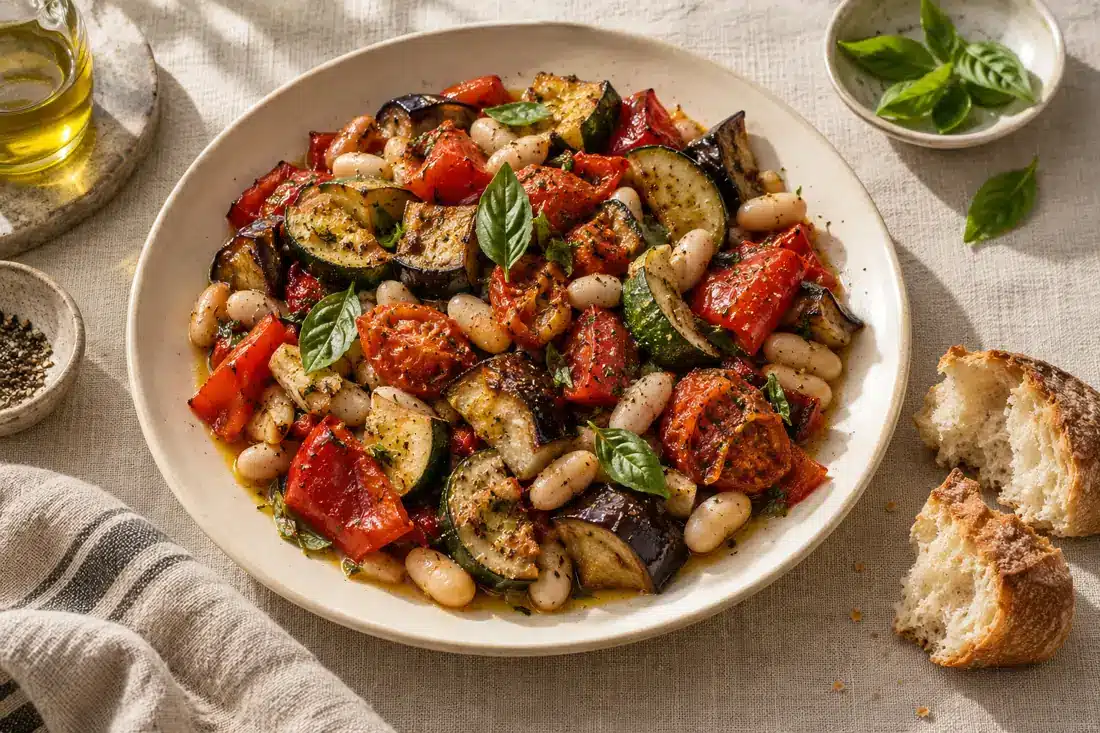
For vegetables that fit the ingredient list, our roast vegetable and white bean traybake is a meal-planning starting point. It is openly untested, and has no verified supermarket total. Read the recipe first; a discount is no reason to buy ingredients you do not want to cook.
At home, put the nearer-deadline food where you will see it and write its meal into the calendar. A bargain earns its keep when it becomes dinner. The sticker has already done its part.
The supporting image is an AI-assisted editorial illustration, not a food-safety test. No current supermarket markdown or basket price is claimed.
Sources & checks
- Public grocery-haul discussion, 30 September 2026 ↗ · Checked 6 Oct 2026
- FSANZ: Use-by and best-before dates ↗ · Checked 6 Oct 2026
- FSANZ: Food safety basics ↗ · Checked 6 Oct 2026
- Hero photograph: Philafrenzy ↗ · Checked 6 Oct 2026
Prices, stock and streaming availability can change. Verify the exact item, edition and conditions with the retailer or provider.