Guide
Before that viral recipe gets your grocery money, give it five minutes
A beautiful dinner picture is a starting point. Check the method, measurements and shopping commitment before you hand over your evening.

Before you buy twelve ingredients for a recipe that looked lovely for eight seconds, read the whole thing. Give it five minutes, with the pantry open and a pencil nearby. You are deciding whether this dinner deserves your groceries, your washing-up and the bit of evening you hoped to keep for yourself.
An active r/Cooking discussion about distrust of online recipes captures the frustration: attractive food content can leave the cook wondering whether the instructions make sense. That conversation is not evidence that every new recipe is generated or unreliable. It is a good prompt to look beyond the picture.
Start at the end of the method
Read through to serving before adding anything to a shopping list. Note the oven setting, pan size, timings and what the food should look like at the crucial stages. Look for ingredients that appear in the method but never made it into the ingredient list. Check whether “quick” means quick tonight, or quick after something has chilled, soaked or risen.
King Arthur Baking’s explanation of recipe conventions makes a useful distinction between active preparation, baking and total elapsed time. A short prep number need not include the waiting. Use the whole timeline when deciding whether a recipe fits the gap between getting home and everyone getting hungry.
A good method should give you enough to proceed, not leave you reverse-engineering a dramatic overhead video. If the pan, heat or crucial endpoint is missing, choose a better-explained version before committing expensive ingredients.
Ask who developed it, and what they say they checked
Look for a named writer, a clear testing statement and useful notes. Nagi’s own RecipeTin Eats introduction, for example, explains her approach to testing and substitution notes. That is information a reader can assess. A big follower count on its own says less about how a particular method was developed.
Read comments for specific cooking reports: which pan somebody used, whether they followed the quantities, and where they became confused. A row of fire emojis is pleasant encouragement; it is not a record of dinner working. A comment may also describe a heavily changed version, so avoid treating every enthusiastic report as a test of the original.
Apply the same standard here. Our Home Alone-inspired mac and cheese and Ratatouille-inspired traybake are labelled as not yet kitchen-tested. You should know that before shopping, rather than infer a test from an appetising image.
Make the measurements travel
For an overseas recipe, check its measurement notes. RecipeTin Eats explains that cup and spoon measures differ between countries, with some baking particularly sensitive to those differences. Prefer the author’s supplied weights when available; do not invent a single grams-per-cup conversion for every ingredient.
Read the ingredient wording closely, too. Measuring an ingredient before chopping it can give a different amount from filling the cup after chopping. King Arthur’s guide explains that distinction. Small words matter more to your dinner than an enormous “easy” in the headline.

Price the commitment, not the teaspoon
Draw two columns: what the recipe needs and what you must actually buy. A teaspoon from a jar you own is a different commitment from a new jar used once. Count the full packs you would need at the checkout, even when the recipe uses only part of them. Then decide where the rest will go in another meal.
Check the cupboard for the equipment as well as the ingredients. If tonight’s simple dinner secretly requires a blender, a particular tin and an afternoon of cooling, it may be a weekend project wearing a Tuesday disguise.
For meat or other differently sized packs, our unit-price guide helps you compare the actual quantities. A smaller shopping bill and a lower price per kilo are different questions; the useful answer depends on what you will use.
Keep the first attempt manageable
Choose a recipe with a complete method, measurements you understand and ingredients that fit your plans. If you are new to a technique, follow a well-explained version before improvising several substitutions at once. That way, if something needs adjusting, you have a clearer idea of why.
The five-minute check cannot guarantee a good dinner. It can help you spot a missing instruction, an awkward overnight step or a shopping list that has quietly become a pantry renovation. Keep the beautiful picture. Just make the recipe earn the trolley space.
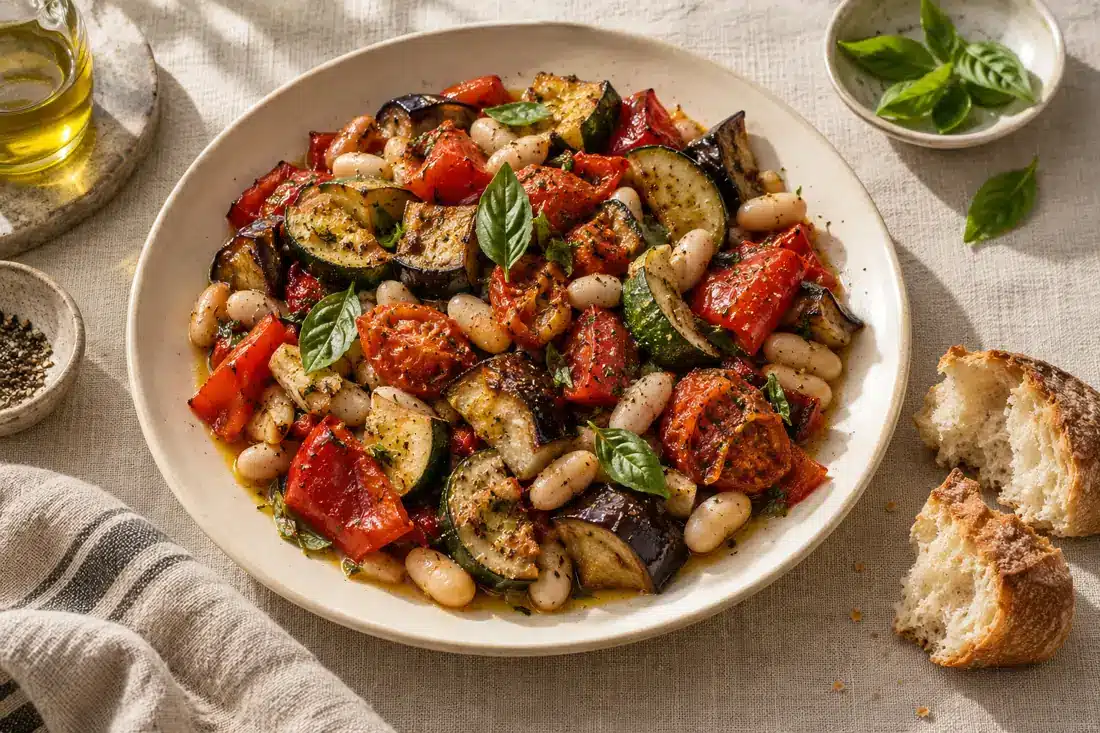
Hero photograph: Ingredients by Jeremy Keith, via Wikimedia Commons, CC BY 2.0. Resized and converted to WebP; the photograph is not a SausageRoll recipe test.
Sources & checks
- r/Cooking: distrust of online recipes discussion ↗ · Checked 6 Oct 2026
- King Arthur Baking: recipe conventions and success ↗ · Checked 6 Oct 2026
- RecipeTin Eats: Nagi’s approach ↗ · Checked 6 Oct 2026
- SausageRoll: Home Alone-inspired mac and cheese ↗ · Checked 6 Oct 2026
- Wikimedia Commons: Ingredients by Jeremy Keith ↗ · Checked 6 Oct 2026
Prices, stock and streaming availability can change. Verify the exact item, edition and conditions with the retailer or provider.